I’ve been researching the concept of a senior emergency contacts card, and I want to share what I’ve learned about its importance. In my experience, having a senior emergency contacts card can be a lifesaver, especially for those of us who are aging or have family members in that stage of life. This card serves as a crucial tool that not only provides necessary information in emergencies but also offers peace of mind for both seniors and their families.
From what I’ve discovered, a senior emergency contacts card is more than just a piece of paper; it’s a compact way to keep vital information readily available. Whether it’s medical conditions, allergies, or emergency contacts, I’ve found that having this information at hand can make all the difference in critical situations. It’s about ensuring safety and quick access to care when it’s needed most.
What is a Senior Emergency Contacts Card?
Definition and Purpose
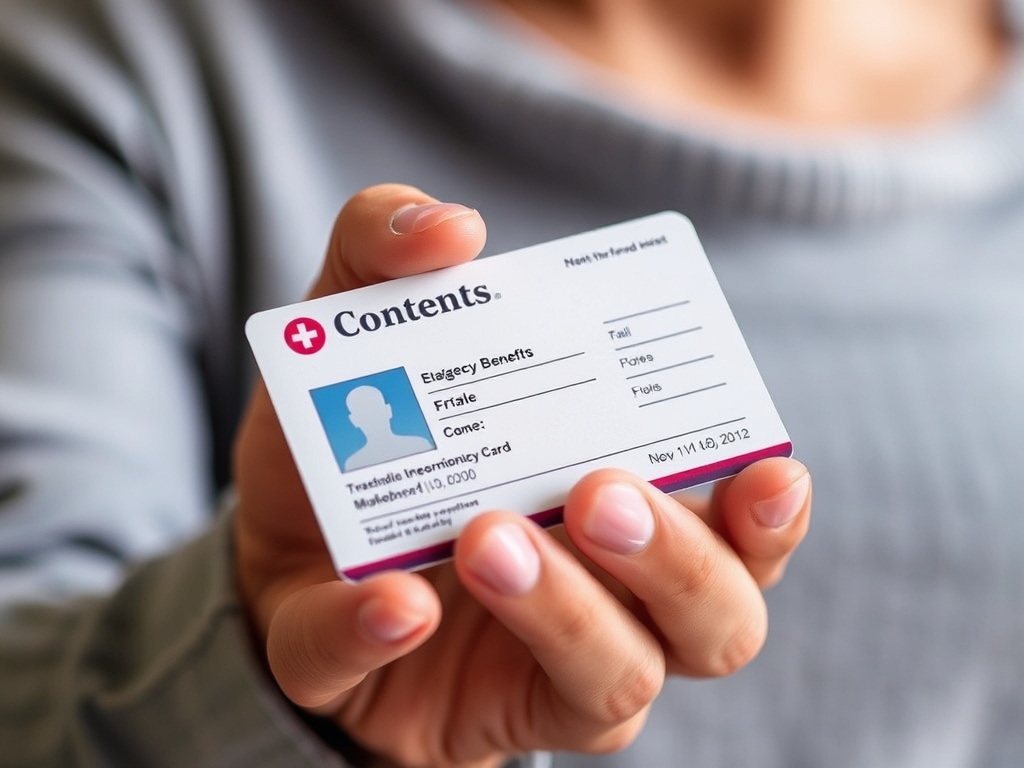
In my understanding, a senior emergency contacts card is a simple yet effective tool designed to store essential information about a senior individual. This card typically includes emergency contact numbers, medical history, and any special needs the individual may have. I believe it acts as a bridge between the senior and emergency responders, facilitating quicker and more efficient help.
I’ve often thought about how confusing a medical situation can be, especially for seniors who may not be able to communicate effectively. Having a senior emergency contacts card on hand helps eliminate confusion during those critical moments. It provides clarity, ensuring that first responders have all the information they need at their fingertips.
How It Works
In my experience, the way a senior emergency contacts card works is straightforward. It’s often kept in a wallet or displayed prominently in a home, like on the refrigerator. When an emergency occurs, first responders can easily access this card to find vital information quickly. I recommend making sure the card is easily visible and accessible—after all, the whole point is to have it ready when it’s needed most.
I’ve learned that some people even laminate these cards for durability, ensuring that they remain legible and intact over time. This simple step can make a significant difference in the card’s utility during an emergency.
The Importance of a Senior Emergency Contacts Card
Peace of Mind
From my own perspective, one of the greatest benefits of having a senior emergency contacts card is the peace of mind it provides. As someone who cares for aging family members, I can attest to the anxiety that comes with worrying about their safety. Knowing that they have a card with essential information readily available allows me to feel much calmer, especially in emergency situations.
In my conversations with others in similar situations, I’ve found that many share this sentiment. It’s reassuring to know that if something were to happen, the necessary information is at hand, allowing for quick and effective action. Having a senior emergency contacts card can truly alleviate some of that worry.
Faster Response Times
I’ve seen firsthand how a senior emergency contacts card can expedite response times during emergencies. For example, when my neighbor had a medical episode, the paramedics were able to quickly access her medical history through her card. This quick access allowed them to make informed decisions about her care, which I believe can be crucial in life-threatening situations.
Having a senior emergency contacts card could mean the difference between a delay in treatment and prompt care. I often remind my friends and family that in emergencies, every second counts, and this card can play a vital role in ensuring that help is received as quickly as possible.
How to Create a Senior Emergency Contacts Card
Essential Information to Include
When I set out to create a senior emergency contacts card for my loved ones, I made a checklist of essential information. This often includes full name, date of birth, medical conditions, allergies, and a list of medications. I also recommend including emergency contact numbers, such as family members or close friends who can be reached quickly.
I’ve found it helpful to keep this information updated regularly, as medical conditions and medications can change. I suggest setting a reminder every six months to review and refresh the card’s details. Having accurate information can significantly enhance the effectiveness of the card in an emergency.
Designing the Card
In my experience, the design of the senior emergency contacts card can also make a big difference. I recommend using bold fonts and clear layouts to ensure readability. You can create your own card using templates available online or even handwrite it for a personal touch. The key is to make it easily understandable at a glance.
I’ve also noticed that some people opt for color-coded cards, where different colors can signify specific health conditions or needs. This visual aspect can help emergency responders quickly assess the situation, making the card even more effective in critical moments.
Real-Life Benefits of a Senior Emergency Contacts Card
Case Studies and Personal Stories
From what I’ve seen, real-life examples illustrate the profound impact a senior emergency contacts card can have. I remember a story told by a friend whose grandmother suffered from dementia. During a medical emergency, the paramedics were able to access her card, which detailed her medical history, including her condition and medications. This information enabled them to provide the best care possible in a stressful situation.
In another instance, a colleague shared how having a senior emergency contacts card helped when her father fell at home. The card included emergency contacts who were notified immediately, allowing for a swift response that likely prevented further injury. These stories emphasize the real-world benefits and underscore why I believe every senior should have one.
Community Awareness
I’ve also noticed that the presence of a senior emergency contacts card can foster a sense of community. In my neighborhood, we’ve started a local initiative to encourage seniors to create these cards. The response has been overwhelmingly positive, with many seniors feeling more secure knowing that their information is organized and accessible.
Community workshops have sprung up around this initiative, where we share ideas and tips for creating effective cards. I feel this has not only increased awareness but has also strengthened our bonds within the community. It’s incredible to see how something as simple as a card can bring people together in support of our seniors.
References and Resources
Throughout my research on senior emergency contacts card, I’ve found these resources incredibly valuable. I recommend checking them out for additional insights:
Authoritative Sources on senior emergency contacts card
-
Emergency Preparedness for Seniors
cdc.govThis CDC resource provides guidelines on emergency preparedness specifically tailored for seniors, emphasizing the importance of having necessary information at hand.
-
Emergency Preparedness: A Guide for Seniors
nia.nih.govThis guide from the National Institute on Aging covers important steps seniors should take to prepare for emergencies, including the use of an emergency contacts card.
-
Seniors and Emergency Preparedness
aarp.orgAARP provides resources and tips for seniors on how to prepare for emergencies, including the significance of keeping an updated emergency contacts card.
-
Emergency Preparedness for Older Adults
redcross.orgThe Red Cross offers insights on how seniors can be prepared for emergencies, emphasizing the role of quick access to vital information.
-
Safety Resources for Older Adults
nsc.orgThe National Safety Council provides a wealth of information on safety topics relevant to older adults, including emergency preparedness tips.
-
Creating an Emergency Contact Card
senioradvisor.comThis article details how to create an effective emergency contact card for seniors, including what information to include and tips for design.
-
Emergency Preparedness Resources for Seniors
caregiver.orgCaregiver.org provides resources and strategies on how caregivers can help seniors prepare for emergencies, emphasizing the importance of having an emergency contacts card.
Frequently Asked Questions
What should be included on a senior emergency contacts card?
In my experience, a senior emergency contacts card should include essential information such as the individual’s full name, date of birth, medical conditions, allergies, medications, and emergency contact numbers. I recommend keeping this information updated regularly to ensure accuracy.
How can I ensure my senior emergency contacts card is effective?
I’ve found that the effectiveness of a senior emergency contacts card depends on its visibility and legibility. I recommend using bold fonts and a clear layout, and keeping the card in a place where it can be easily found, such as a wallet or on the refrigerator.
Why is a senior emergency contacts card important?
In my opinion, a senior emergency contacts card is crucial because it provides vital information during emergencies when quick decisions need to be made. It can expedite the response time of emergency responders, potentially saving lives.
How often should I update the information on the card?
I recommend updating the information on your senior emergency contacts card every six months or whenever there are significant changes to health status or medication. This ensures that the information remains current and useful in emergencies.
Conclusion
In conclusion, my research on senior emergency contacts card has shown that this simple tool can profoundly impact the safety and well-being of seniors. I hope this guide helps you understand the importance of creating and maintaining a senior emergency contacts card for yourself or loved ones. Based on my experience, having this card can provide peace of mind and ensure swift action in emergencies.
Find out more information about “senior emergency contacts card”
Search for more resources and information: